For me, the perfect meal isn’t defined by ingredients, it’s defined by connection.
Asa part of our series about ‘5 Things I Wish Someone Told Me Before I Became a Restaurateur’, we had the pleasure to interview Philippe Pautesta-Herder, Olea & Bloom.
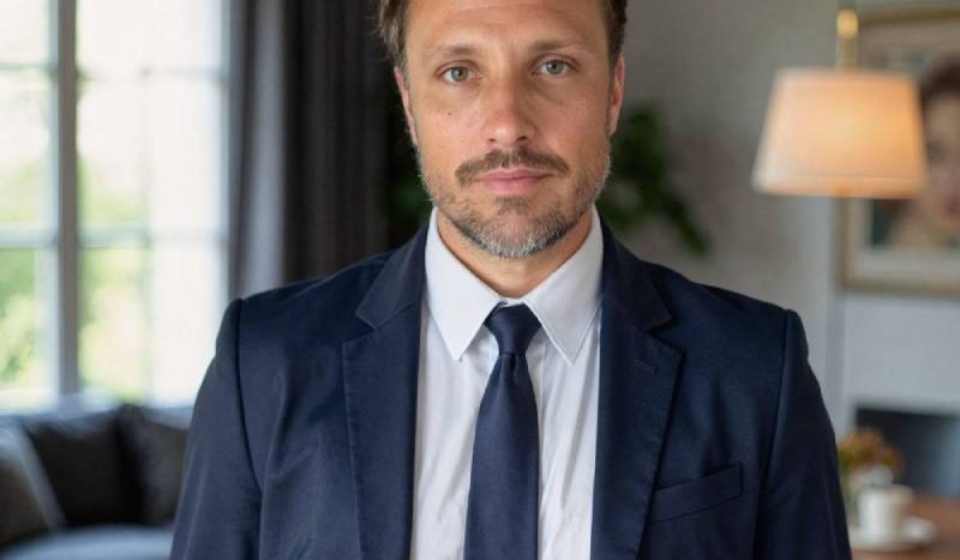
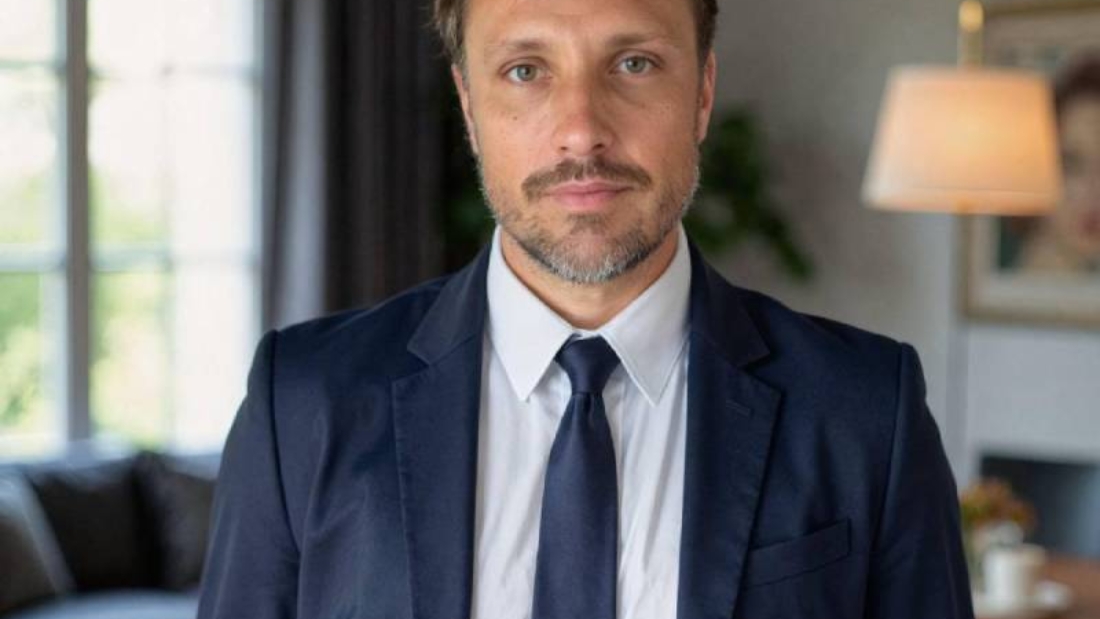
Philippe Pautesta-Herder is more than a seasoned hospitality entrepreneur; he’s a visionary committed to crafting unforgettable experiences and redefining luxury standards. With over 25 years of industry expertise, his innovative approach, meticulous attention to detail, and unwavering commitment to excellence have earned him a stellar reputation. Driven by his pursuit of perfection and genuine passion for hospitality, Philippe stands as a beacon of innovation in an ever-evolving industry. Beyond his professional endeavors, Philippe is an avid photographer, finding inspiration in his travels, culinary adventures, and encounters with diverse cultures.
Thank you so much for doing this with us! Our readers would love to ‘get to know’ you a bit. Can you share with our readers a story about what inspired you to become a restaurateur?
Igrew up surrounded by the rhythm of hospitality. My family owned a restaurant in Eygalieres (in the South of France) where food was never just a business, it was an act of connection. My parents also worked in Real Estate Development, giving me an early understanding of how thoughtful spaces and vibrant local businesses can shape a community. Whenever they developed a building, they intentionally considered the surrounding restaurants to help foster that sense of connection, which is the same philosophy we bring to Olea & Bloom. Those early memories of warmth, service, and shared meals shaped my understanding of what hospitality can mean. Over the years, I realized my passion wasn’t only in cooking, but in creating experiences and building places that bring people together through food, culture, and atmosphere. That philosophy has guided me from New York to Miami, and now to Olea & Bloom, where the goal is to connect wellness, sport, and community through dining.
Do you have a specific type of food that you focus on? What was it that first drew you to cooking that type of food? Can you share a story about that with us?
I’ve always been drawn to Mediterranean food, not just for its flavor but for what it represents: balance, freshness, and the joy of sharing. Growing up between France and the Mediterranean coast, I saw how meals brought people together, how everything revolved around good ingredients and good company. My favorite dish to create is a salt-crusted fish. The entire fish is cooked with sea salt which creates a shell, cooking it to a soft texture. Paired with a little olive oil, lemon and some pepper; it’s a simple yet flavorful dish that always felt like magic as a kid. What inspires me about this cuisine is its simplicity — food that’s honest, colorful, and nourishing. At Olea & Bloom, that philosophy comes through in every dish with flavorful and bright ingredients that are made to be shared after a game of padel or a long day, connecting people through wellness and community.
Can you share the funniest or most interesting story that happened to you since you became a restaurateur? What was the lesson or take away you took out of that story?
One of the funniest moments came early in my career, during a soft opening at a restaurant I helped launch in New York. Everything was perfect — lighting, music, staff — until the espresso machine broke just as the first dessert orders came in. Instead of panicking, the pastry chef and I ran to the café next door, borrowed their machine, and finished service as if nothing had happened. The lesson? In hospitality, things will go wrong. What matters is how gracefully you recover. I learned that a sense of humor, quick thinking, and teamwork can turn chaos into connection. That same mindset still guides me today at Olea & Bloom.
Can you tell us a story about the hard times that you faced when you first started your journey? How did you overcome this obstacle?
When I first started out, one of the hardest challenges was opening a restaurant with very limited resources and no safety net. I remember days when I had to do everything myself; from fixing equipment to managing guests and checking on tables, I did what was needed just to keep the doors open. It was humbling, exhausting, and at times, discouraging. But those moments taught me the real meaning of hospitality. It’s not just about creating beautiful spaces, it’s about perseverance, people, and passion. I learned to adapt quickly, stay calm under pressure, and turn setbacks into opportunities. That resilience is what carried me through every venture since, including Olea & Bloom.
In your experience, what is the key to creating a dish that customers are crazy about?
For me, the key is emotion and balance. Every dish I create is a dish that has to make people feel something. It’s not just about flavor; it’s about memory, comfort, and connection. When you combine high-quality ingredients with authenticity and a sense of place, people remember it. At Olea & Bloom, we focus on bright, flavorful Mediterranean dishes that are both healthy and satisfying. The magic happens when a guest tastes something simple yet vibrant and says, “I could eat this every day.” That’s when you know you’ve created more than a meal, you’ve created a moment.
Personally, what is the ‘perfect meal for you’?
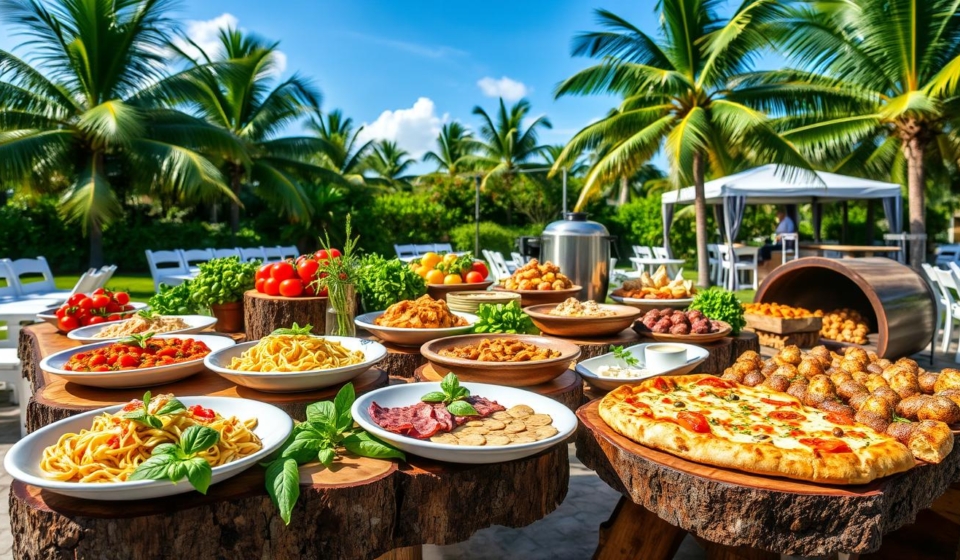
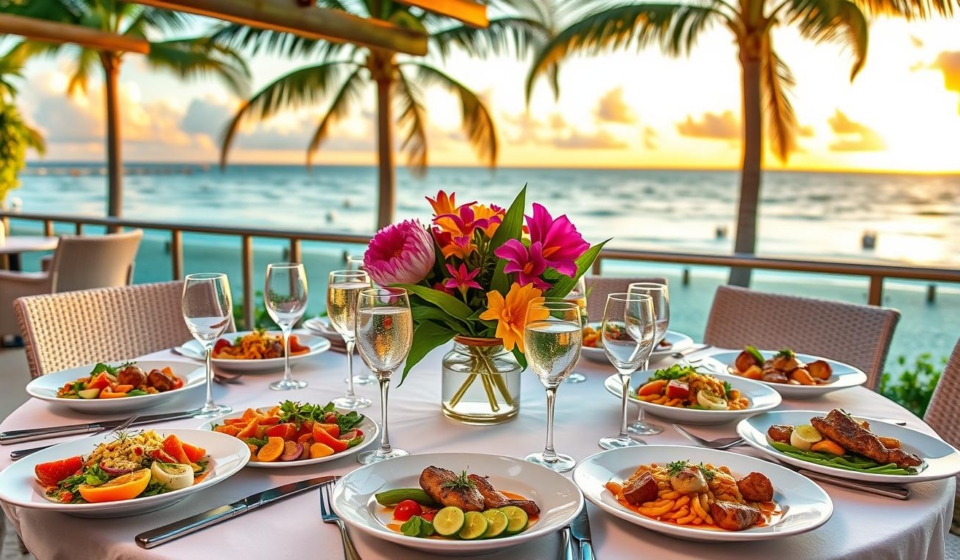
For me, the perfect meal isn’t defined by ingredients, it’s defined by connection. It’s a long lunch shared with family or friends, outdoors, with good conversation, laughter, and food that feels alive. A bright Mediterranean table with grilled fish, seasonal vegetables, olive oil, and a chilled glass of rosé — now that’s perfection.
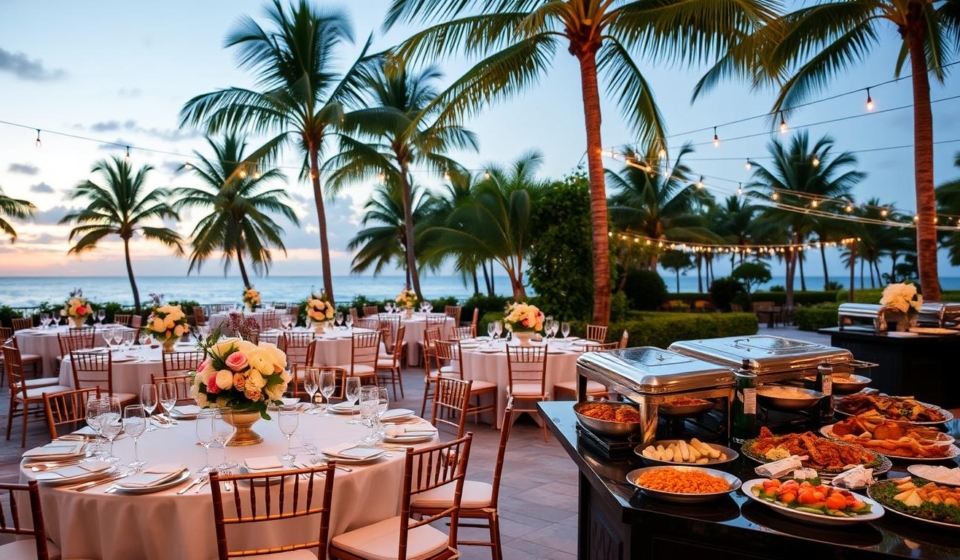
LE FOOD CATERING
Where does your inspiration for creating come from? Is there something that you turn to for a daily creativity boost?
My inspiration comes from life itself. Travel, people, and shared moments have added fuel to my love for creating meaningful dishes. Every great idea usually starts with a feeling: the way the light hits a table in the afternoon, a memory from a market in the South of France, or the energy of a place like Miami. For a daily boost, I turn to movement like walking through a space in progress, seeing textures, colors, or even the rhythm of service coming together. For me, creativity comes from connection, observing, listening, and letting experiences shape what I build next.
Are you working on any new or exciting projects now? What impact do you think this will have?
Yes! I’m currently expanding my work at the intersection of hospitality, sport, and wellness. Since launching Olea & Bloom at Xcel Padel Club, I’m focused on developing new food and beverage concepts within other sports facilities across Florida and beyond. Each project focuses on creating spaces that bring people together — not just to eat, but to connect, recharge, and share experiences. The impact goes beyond dining; it’s about redefining how lifestyle, sport, and hospitality can coexist. My goal is to make wellness-driven, community-focused dining the new standard in modern hospitality.
What advice would you give to other restaurateurs to thrive and avoid burnout?
One of the most important lessons I’ve learned is to avoid micromanaging. As restaurateurs, we often start by doing everything ourselves. But, real growth comes when you trust your team. Surround yourself with people who are not only skilled, but who share your values and feel inspired by your vision. Empower them to have a voice in your organization. When people feel heard and trusted, they perform at their best, and that’s what creates lasting culture. A great restaurant isn’t built by control, it’s built by collaboration and belief.
Thank you for all that. Now we are ready for the main question of the interview. What are your “5 Things I Wish Someone Told Me When I First Started as a Restaurateur” and why? Please share a story or an example for each.
- Build Culture Before You Build Walls
When I opened my first restaurant, I focused on design, menu, and logistics, but I quickly realized none of it matters without culture. The energy of a space comes from the people who bring it to life. Now, every concept I create starts with values, not décor. - Don’t Micromanage — Empower
Early on, I wanted everything done my way. It led to exhaustion and frustration. I’ve learned that the real art of leadership is trust; you must hire people who share your vision and let them shape it. When your team feels ownership, the results always exceed expectations. - Cash Flow Is Your Oxygen
There was a moment in New York when everything looked successful from the outside, but the numbers didn’t line up behind the scenes. That experience taught me that creativity means nothing without financial structure. You can’t lead with vision if you’re gasping for air. Stay disciplined to keep the dream alive. - Adapt, Always
In hospitality, something will go wrong. A vendor fails, a delivery is late, a storm hits on the opening day. Success depends on how fast you pivot. When our espresso machine broke during a service, we borrowed one from next door and finished the night smiling. Adaptability isn’t a skill, it’s survival. - Hospitality Starts With You
For years, I thought hospitality was about taking care of others. It is, but only if you take care of yourself first. Burnout kills creativity. I learned to surround myself with people who inspire me, delegate freely, and find time to reconnect with why I started. When you lead with balance, everything flows.
What’s the one dish people have to try if they visit your establishment?
If there’s one dish you have to try at Olea & Bloom, it’s our shakshuka. It’s a comforting yet vibrant dish with slow-simmered tomatoes, peppers and spices, topped with perfectly poached eggs and finished with a drizzle of charcoal tahini.
You are a person of enormous influence. If you could inspire a movement that would bring the most amount of good to the most amount of people, what would that be? You never know what your idea can trigger.
If I could inspire a movement, it would be about reconnecting people through hospitality — not just in restaurants, but in everyday life. We live in a time where technology keeps us informed but often disconnected. I believe that sharing a meal, a moment, or even a genuine conversation can change the way people see one another. Hospitality has the power to heal, to bridge cultures, and to remind us that kindness is a universal language. My movement would be about slowing down, creating togetherness, and bringing back the human touch: one table, one meal, one connection at a time.
Thank you so much for these insights. This was very inspirational!